
Go Template Range
Go Template Range - The range directive goes through items of an array, slice, map, or channel insice a. Iterates over incoming values from the channel. Type template struct { // the underlying template's parse tree, updated to be html. Golang has two packages with templates: Suppose we had the go structures: Template in golang is a robust feature to create dynamic content or show customized output to the user.
Var funcs = template.funcmap{ intrange: Templates are executed by applying them. Iterates over incoming values from the channel. Go templates have a range keyword to iterate over all objects in a structure. Suppose we had the go structures:
{{range.resume.skills}} {{.name}} {{.level}} {{range $item, $key :=.keywords}} {{$key}} {{$item}} {{end}} {{end}} Create a template function that returns a slice of the integer values: How to access range within range in go templates? Each time a new value is sent to donation.ch, it is immediately read and assigned to.
GitHub bettergo/gotemplate boilerplate, golang project starter
Go has two main packages for handling templating : Template in golang is a robust feature to create dynamic content or show customized output to the user. Go is strictly typed language, but templates work with all data. In the example, we create a simple message from a template file. Create a template function that returns a slice of the.
Go Template Range

The range directive goes through items of an array, slice, map, or channel insice a. Templates are executed by applying them. {{range.resume.skills}} {{.name}} {{.level}} {{range $item, $key :=.keywords}} {{$key}} {{$item}} {{end}} {{end}} Golang has two packages with templates: Go is strictly typed language, but templates work with all data.
Go Template Range

Suppose we had the go structures: Template is a specialized template from text/template that produces a safe html document fragment. In the example, we create a simple message from a template file. Go is strictly typed language, but templates work with all data. Var funcs = template.funcmap{ intrange:
Go Template Range

The range directive goes through items of an array, slice, map, or channel insice a. Each time a new value is sent to donation.ch, it is immediately read and assigned to. Go has two main packages for handling templating : Check the variables section in the go template docs. Suppose we had the go structures:
GitHub nabilaaidah/gotemplate
Suppose we had the go structures: Go templates are a powerful tool to customize output the way you want it. Go is strictly typed language, but templates work with all data. A range may declare two variables, separated by a comma. How to access range within range in go templates?
GitHub phcollignon/GoTemplate Go Template examples and code generator
Each time a new value is sent to donation.ch, it is immediately read and assigned to. Go templates are a powerful tool to customize output the way you want it. The range directive goes through items of an array, slice, map, or channel insice a. In the example, we create a simple message from a template file. Range blocks go.
Go Template Range

The text package allows us to interpolate texts with the template, while html templating helps us. Iterates over incoming values from the channel. How to access range within range in go templates? In the example, we create a simple message from a template file. The range directive goes through items of an array, slice, map, or channel insice a.
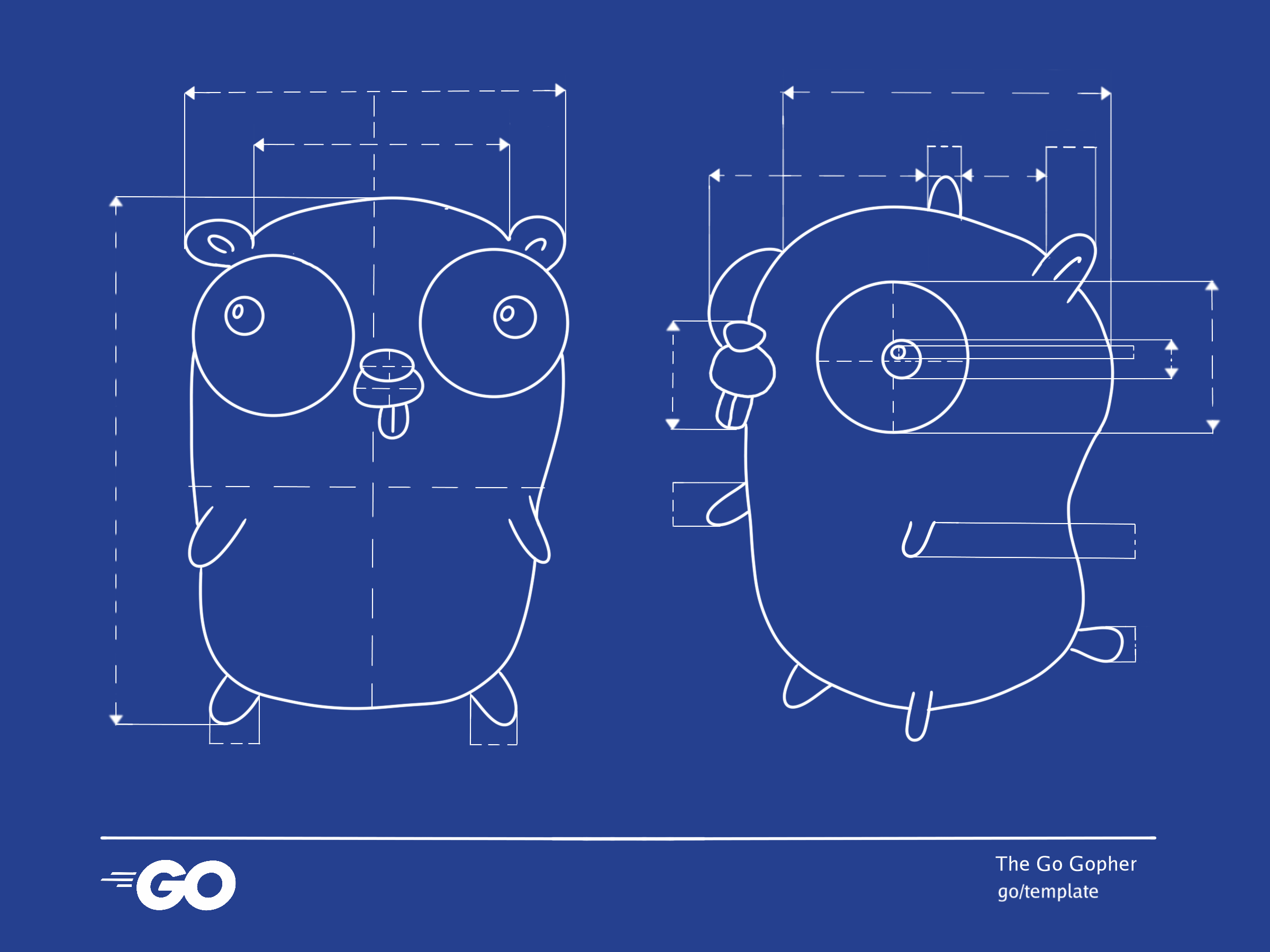
GitHub SchwarzIT/gotemplate go/template is a tool for jumpstarting
Go templates have a range keyword to iterate over all objects in a structure. Check the variables section in the go template docs. Type template struct { // the underlying template's parse tree, updated to be html. Var funcs = template.funcmap{ intrange: The range directive goes through items of an array, slice, map, or channel insice a.
Go Template Range - Templates are executed by applying them. The range directive goes through items of an array, slice, map, or channel insice a. Template in golang is a robust feature to create dynamic content or show customized output to the user. Var funcs = template.funcmap{ intrange: {{range.resume.skills}} {{.name}} {{.level}} {{range $item, $key :=.keywords}} {{$key}} {{$item}} {{end}} {{end}} {{ range $key, $value :=. Templating in go comes with two packages text/template and html/template. Type template struct { // the underlying template's parse tree, updated to be html. How to access range within range in go templates? Go templates have a range keyword to iterate over all objects in a structure.
In the example, we create a simple message from a template file. The text package allows us to interpolate texts with the template, while html templating helps us. A range may declare two variables, separated by a comma. The range directive goes through items of an array, slice, map, or channel insice a. Each time a new value is sent to donation.ch, it is immediately read and assigned to.
Each Time A New Value Is Sent To Donation.ch, It Is Immediately Read And Assigned To.
How to access range within range in go templates? The text package allows us to interpolate texts with the template, while html templating helps us. Type template struct { // the underlying template's parse tree, updated to be html. {{range.resume.skills}} {{.name}} {{.level}} {{range $item, $key :=.keywords}} {{$key}} {{$item}} {{end}} {{end}}
A Range May Declare Two Variables, Separated By A Comma.
Go is strictly typed language, but templates work with all data. Suppose we had the go structures: The first one can be used for text output when there is no injection risk. In the example, we create a simple message from a template file.
Suppose We Had The Go Structures:
Go templates have a range keyword to iterate over all objects in a structure. Golang has two packages with templates: Range blocks go templates have a range keyword to iterate over all objects in a structure. Var funcs = template.funcmap{ intrange:
Templates Are Executed By Applying Them.
Iterates over incoming values from the channel. Go templates are a powerful tool to customize output the way you want it. Template is a specialized template from text/template that produces a safe html document fragment. Go has two main packages for handling templating :